Paste, Peel, Repeat: The Bristol Walls That Book Better Than Your Feed
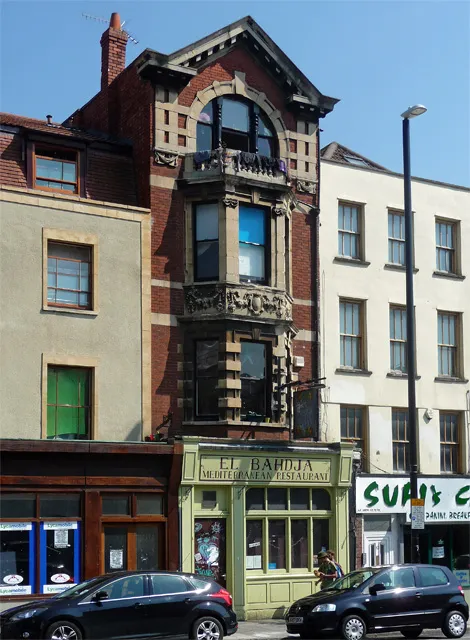
Photo: Stephen Richards , CC BY-SA 2.0, via Wikimedia Commons
The first thing I clock on a grey November morning is not a headliner. It is a rectangle of fluorescent pink paper, pasted slightly askew on a Stokes Croft wall, advertising a three-band bill in a room I have walked past a hundred times. The date is right. The price is right. The door time is right. No sponsored post has ever told me so much so quickly.
Bristol's gig listings are not hard to find. They are everywhere: on your phone, in your inbox, in a hundred algorithmic feeds that know what you like and still manage to show you the same five bands. The wall is different. The wall is the bill. A hand-printed poster is a small public contract between a venue, a promoter, a printer and a passer-by. It says: this is happening, here, at this time, for this much. It does not care whether you click.
The paste is the point
Poster artists in Bristol talk about the paste as much as the design. Wheatpaste is cheap, fast and temporary. It buckles in the rain. It peels at the corners. It gets over-pasted by someone with a bigger gig and a longer ladder. That fragility is part of the honesty. A poster is not a permanent campaign; it is a notice with a shelf life. If it survives until Thursday, it has earned its place.
A poster artist who prints under the name Paper Saint tells me that the best brief is always the same: who, where, when, how much. Everything else is personality. She screenprints in small runs because a poster that appears in one place is a rumour, and a poster that appears in twenty places is a fact. The run is the distribution plan. The wall is the media buy.
A booker at an Easton venue puts it more bluntly. The poster is the last bit of promo that is not trying to sell them a mattress. It is made by someone who will be in the room. It is put up by someone who wants the night to work. That is a different kind of recommendation from a boosted post.
What a flyer knows that a feed does not
A good gig poster tells you about the room before you get there. The typeface says whether it is a jazz night or a hardcore matinee. The print method says whether the budget went on the band or the laminate. The overprinting says someone cares about the object. The little credit line at the bottom says which designer, which print shop, which scene.
It also tells you about the door. Is there a guest list? Is it cash only? Is it pay-what-you-can? Is it sold out, or is it just saying sold out? Posters are not always accurate, but they are accountable. You can stand in front of one and compare it with the actual queue.
Venue bookers use posters as a temperature check. If a tour poster goes up in Stokes Croft and then appears in Easton two days later, the word is travelling. If a local support slot gets its own photocopied flyer, the band is doing the work. If the wall stays empty, the booker notices that too.
A walking route through the paste
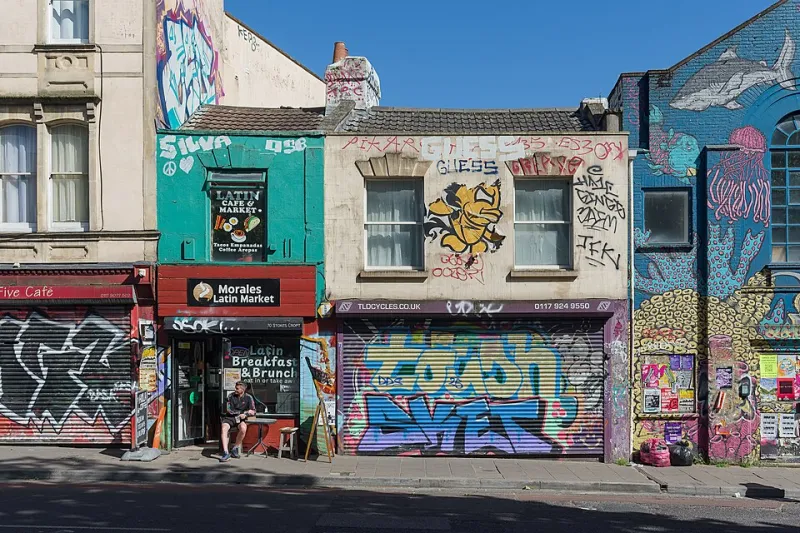
You can treat Bristol's poster corridors like a gallery with no opening hours. Start in Stokes Croft, where the paste is thickest. The run from Turbo Island up towards Jamaica Street is a good primer: wheatpaste slabs, boarded windows, the sides of bins, the backs of bus stops. Look for the layers. The top poster is the news; the torn ones underneath are the archive.
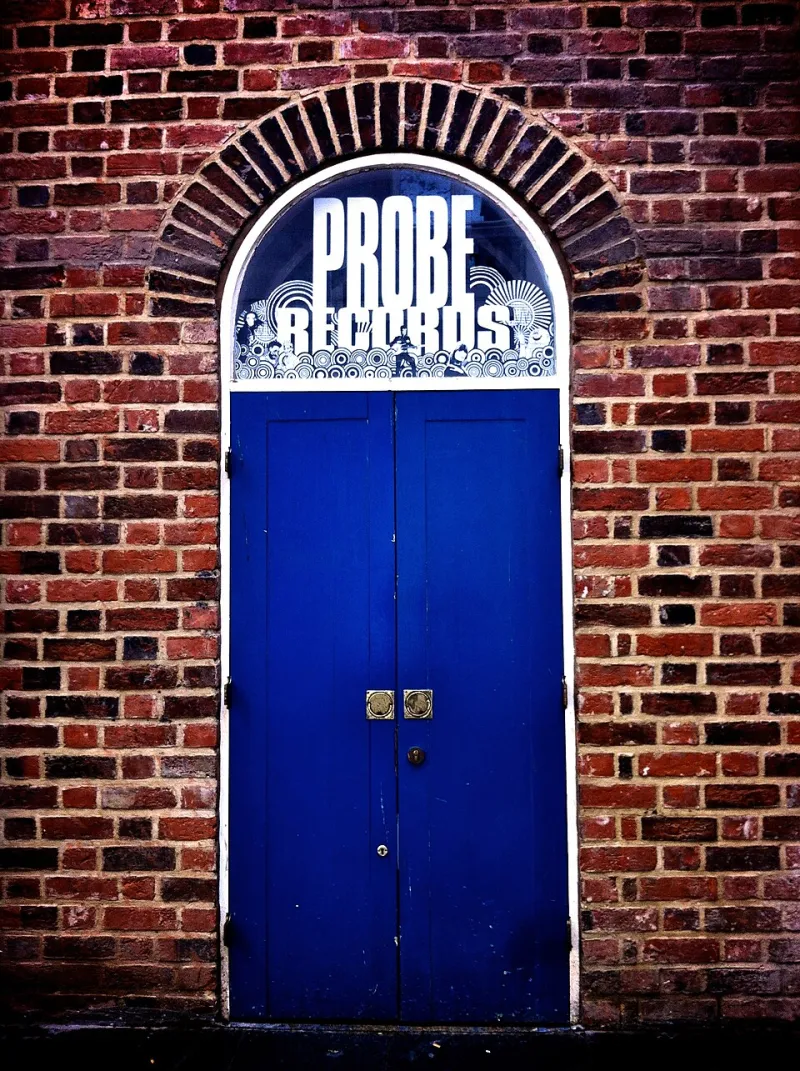
Cut across to Gloucester Road and Cheltenham Road. The café noticeboards and record-shop windows here are more curated than they look. A flyer in a window has passed a gatekeeper, even if that gatekeeper is a shop assistant with a roll of tape. Check the windows of the record shops and the noticeboards in the cafés. This is where you find the acoustic sets, the listening sessions and the benefit nights that never make it to a major listing site.
Then head east to Church Road and St Mark's Road. Easton's poster culture is more scattered and more domestic: front garden railings, launderette windows, the noticeboard in a café, the side of a community centre. The bills here are often for nights that are genuinely local. You will see the same names on the lineup as on the poster credit. That is not a coincidence.
Finish at a venue door. The poster outside is the bill you have been reading all afternoon. If it matches what is happening inside, the wall has done its job.
Why the algorithm keeps losing
The algorithm is very good at showing you what people like you have already liked. It is less good at showing you what a room feels like on a wet Tuesday. The poster is not personalised. It is public. It is a small, stubborn broadcast from a specific place, and it is made by someone who has to look the promoter in the eye.
That is why the wall still matters. Not because it is more efficient, but because it is more honest. The paste peels, the rain gets in, the bill gets torn, and the night still happens. The wall is the bill. The bill is the city.
If you want to support it, stop scrolling for one afternoon and walk the route. Take a photo of a poster you like. Buy a ticket at the door. Tell the person on the desk that you saw it on the wall. That is the whole algorithm.