The 23:10 Rule: Bristol's Gigs Are Learning to End Before the Bus Does
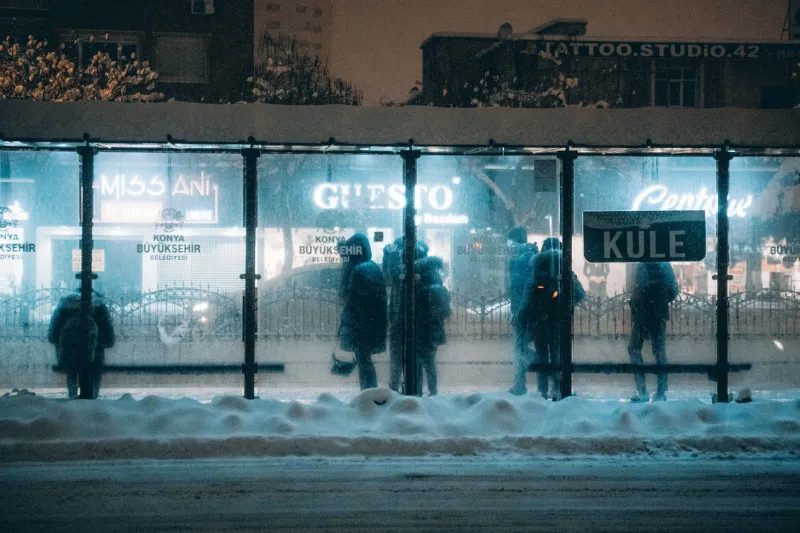
There is a moment near the end of a good gig when the room divides. Half the crowd is calculating the walk to the stop. The other half is pretending it is not happening. In Bristol, that moment now has a time, and it is usually somewhere between 22:45 and 23:15. The last bus has become the unofficial headliner, and the city's gig calendar is starting to sound like a timetable.
This is not a story about venues being boring. It is a story about promoters, managers and night-bus regulars quietly rewriting the shape of a night out. The encore used to be the fixed point. Now the fixed point is the route home.
The timetable is the new door policy
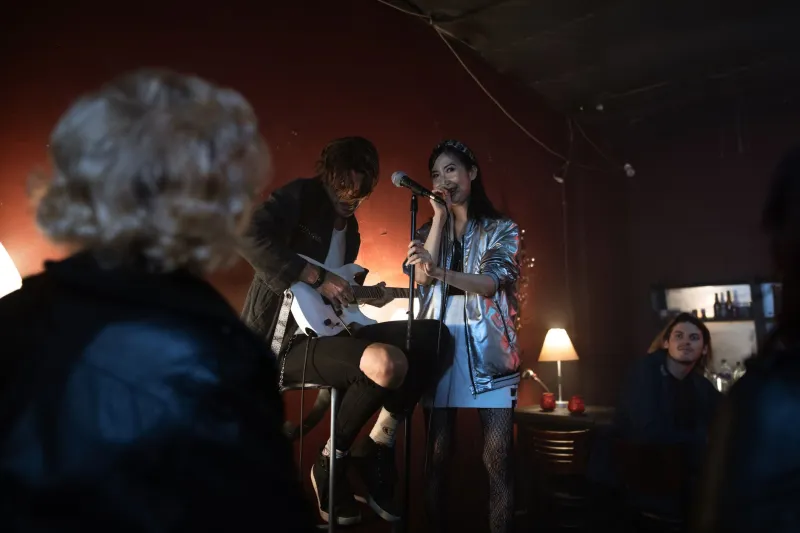
Walk into a Bristol gig in winter 2026 and you are as likely to see stage times on a chalkboard as a support act's merch. Doors at 19:00, main set at 20:45, done by 22:15. It reads like a school night, and for plenty of people it is. But the promoters doing it are not trying to close the party early. They are trying to make sure the party does not strand anyone at a stop in the rain.
'We used to book the encore and hope the buses behaved,' says one promoter who runs midweek shows near Old Market. 'Now we book the bus and hope the band behaves.' That line is a joke, but only just. A 22:30 curfew that once felt like a compromise is now a selling point. It gets people through the door who would otherwise skip it: shift workers, parents, anyone who does not fancy a £25 taxi as the price of a £12 ticket.
The result is a gig calendar with two speeds. There are still late shows, and there should be. But the early-finishing gig is no longer the odd one out. It is the one with the queue at the bar at 20:15 and the satisfied crowd spilling out while the city is still deciding what to do with itself.
Which stops actually matter
Ask five Bristol gig-goers about the last bus and you get five different routes. That is the point. The city's night network is not one timetable; it is a patchwork of useful lines and anxious walks.
The ones that come up most often are the 8 and 9 toward Temple Meads and Brislington, the 75 and 76 up Gloucester Road, the 1 and 2 heading west, the 72 south, the 349 toward Keynsham and the 48 and 49 out to Fishponds. None of them are glamorous. All of them are somebody's headline act.
Venues near the centre have it easiest. Strange Brew, Rough Trade and the Thekla are within reach of several routes, even if the walk to the stop is longer than the set change. The Louisiana and the Fleece sit in that useful band where a ten-minute walk can put you on a bus that feels like a small victory. The Golden Lion on Gloucester Road is practically a bus stop with a stage attached. The Thunderbolt in Totterdown is a reminder that the last mile is always the one that decides whether you stay for the final song.
The promoters who are good at this do not just know the routes. They know the walk. They know which stop feels safe at 23:00, which one has a shelter, which one leaves you staring at a timetable that stopped being useful ten minutes ago. That is the unglamorous work of putting on a night out in 2026.
Does the early finish kill the encore?
Not exactly. It changes it. The encore is not dead; it has been rescheduled. Bands are playing one-song encores at 22:35 instead of two-song encores at 23:15. Some are skipping the fake walk-off entirely and just saying thank you, which is arguably better manners.
There is a real debate here. Earlier finishes can feel like a school trip. If every gig ends before the last bus, the night out starts to resemble a carefully managed exercise in getting home. The atmosphere can dip when the lights come up and half the room is already checking a live departure board. And there is a certain kind of gig where the encore is the whole point: the communal second wind, the song everyone came for, the moment the room refuses to let go.
But accessibility is not a compromise. It is a design choice. A gig that finishes at 22:15 is a gig that a disabled punter, a carer or a hospitality worker can actually attend. The early finish is not killing the night out. It is widening who gets to have one.
Three winter 2026 gigs, tested against the last bus
A quick scan of the winter 2026 listings suggests the 23:10 rule is spreading. Here are three nights put against the timetable, without naming the bands, because the point is the shape of the evening.
Thursday at The Louisiana. Doors 19:30, headliner 21:15, done by 22:20. If you are heading south, you have time for the walk and the wait. If you are heading east, you are on the 8 or 9 from the centre and still home before the kettle has boiled. The encore is a coin toss, but the night does not depend on it.
Friday at The Golden Lion. Gloucester Road is the easy version of this story. The 75 and 76 are close enough that the last song is not a gamble. Finish around 22:45 and you are on a bus before the pavement outside has emptied. The trade-off is that the room is fuller earlier and the bar queue is a support act in its own right.
Saturday at Strange Brew. A 23:00 finish in the city centre is the sweet spot. The 48 and 49 and the 8 and 9 are all within reach, and the walk is short enough that you do not need to leave before the encore. The queue at the stop is the real finale. Everyone is there, everyone is tired, and everyone is quietly pleased they did not book a taxi.
The case for staying out
None of this means Bristol should become a city that clocks off at 22:30. The late gig still matters. The messy, overrunning, one-more-song night is part of the city's character. But the last bus is not the enemy of that. The lack of late options is.
Promoters could publish stage times next to last-bus info. Venues could coordinate with operators. The city could treat the night bus as infrastructure rather than an afterthought. Until then, the 23:10 rule is less a rule than a negotiation, and the best gigs are the ones that know when to stop. The last bus is the headliner. The trick is making sure the support act is still worth leaving the house for.